


Flow measurement devices: They’re key for helping measure the flow of a liquid or gas substance in a particular system. Without them, original equipment manufacturers and product development teams aren’t able to quantify the flow, type, and distribution of elements needed to power innovative and useful equipment.
Buy the right flow measurement device, and you can save yourself and your team hours of time and precious effort calculating the quantity and quality of substances needed for your operation.
But what exactly constitutes a flow measurement device, and how are they used? If you’re wondering this question, we have answers for you.
In this article, we’ll walk you through everything related to flow meters, including:
- What they are
- Different types of flow measurement devices
- The industries that often use flow measurement devices and flow meters
- Where to find flow measurement devices for special industrial applications
What is a flow measurement device?
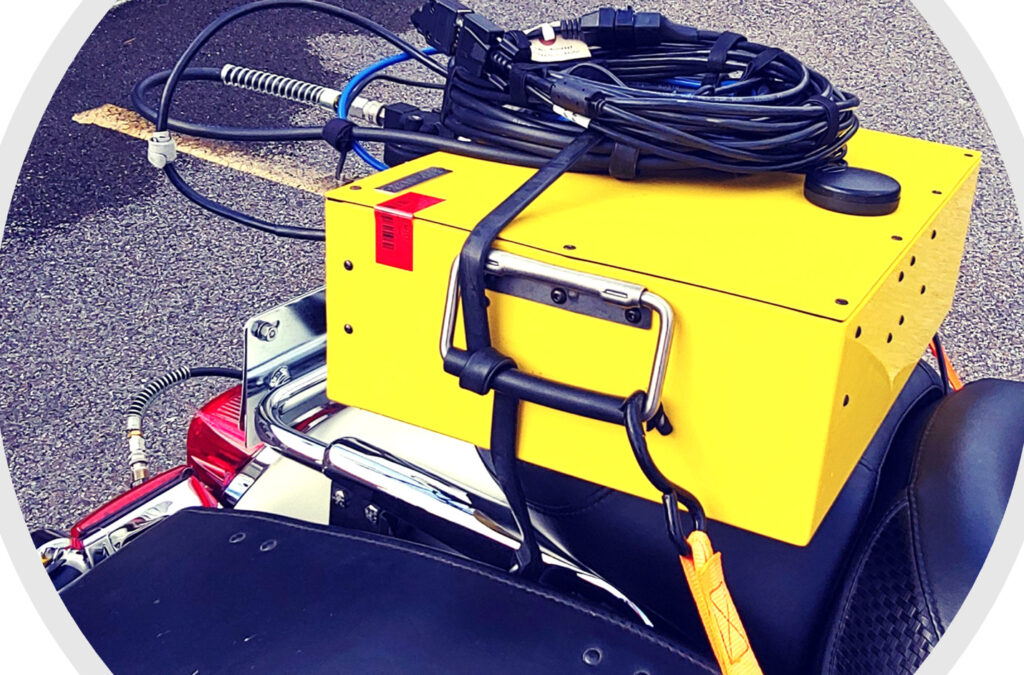
So, what exactly is a flow measurement device? You might be thinking. Flow measurement devices quantify the quantity and quality of bulk liquid and gaseous fluid movement.
Flow meter devices measure the flow of a particular medium. The substances that flow measurement devices measure are either liquids or gases.
Flow measurement devices are key to ensuring safe and productive industrial processes, with everything from safety and efficiency to cost savings. For example, flow measurement is used in water treatment and distribution systems, as well as measuring the amount and makeup of particles and gases inside internal combustion engine-based or electric battery-powered vehicles.
What types of flow measurement devices exist?
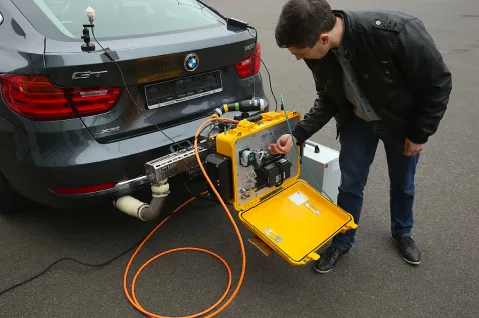
The most common types of flow measurement and flow meter devices today are the following:
- Coriolis flow meters
- Differential pressure flow meters
- Magnetic flow meters
- Open channel flow meters
- Positive displacement flow meters
- Turbine flow meters
- Ultrasonic flow meters
- Variable area flow meters
- Velocity flow meters
- Vortex flow meters
- Thermal mass flow meters
Each of these flow measurement devices helps support different types of industrial processes, some of which we’ll explore in greater detail in the coming sections.
Breaking down the different types of flow measurement devices
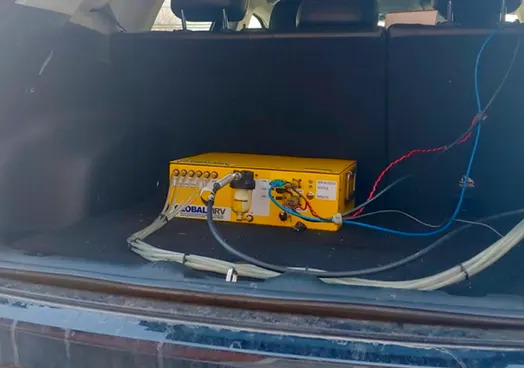
When choosing a flow measurement device for your operation, you’ll need to weigh a handful of factors, including:
- The type of fluid you’re measuring
- How much margin of error you’re willing to incur with your flow measurement device’s results
- The types of operational conditions you and your team work in
Understanding the above-mentioned actors will help you choose a device that works for your project’s needs. Below, we’ll walk you through eight of the most common types of flow measurement devices on the market.
9 Common flow measurement devices found across industries
| 1. Differential pressure flow measurement devices 2. Positive displacement flow meters 3. Turbine flow meters 4. Open channel flow meters 5. Variable area flow meters 6. Ultrasonic flow meters 7. Velocity flow meters 8. Magnetic flow meters 9. Mass flow meters |
1. Differential pressure flow measurement devices
Differential flow meters help measure the change in pressure in pipes. To measure the obstructions placed in pipes, a plate, a venturi, or a flow nozzle is placed inside it.
The differential pressure is then measured before and after the obstruction to help calculate the flow rate of both liquids and gases.
2. Positive displacement flow meters
Positive displacement flow meters calculate flow by filling and emptying fluid from chambers. The number of times these volumes or batches of fluid are moved helps determine the flow.
In fact, positive displacement meters are very accurate and can help measure operations with low flow rates.
3. Turbine flow meters
Turbine flow meters measure the velocity of a fluid, translating into the flow rate. The fluid flow impacts the turbine blades, causing them to rotate.
What’s more, the rotation speed shares a connection with the flow velocity. Turbine flow meters are often used for clean liquids that aren’t very dense.
4. Open channel flow meters
Open channel flow meters support the measurement and flow of substances through spaces that are open to atmospheric pressure (think: streams, rivers, estuaries, and artificially created channels like canals, storm drains, and more).
Many of these meters use weirs, flumes, or sensors to calculate the flow of substances. You can measure the flow rate of substances with an open channel flow meter by measuring the height or top of the fluid.
5. Variable area flow meters
Often called rotameters, variable area flow meters consist of tapered tubes in which floats move up and down. The fluid causes the float to rise, where the float’s height indicates the flow rate.
Many different fluids and properties can be measured with variable area flow meters. Elements and substances, like hydrogen, nitrogen, water, and oil, can be measured with a variable area flow meter.
6. Ultrasonic flow meters
Ultrasonic flow meters are instrumental in the measurement and control of the speed of a fluid. An ultrasonic flow measurement device measures the speed of a fluid using ultrasound to calculate volume flow.
They don’t need any mechanical components, which makes them ideal for measuring industrial processes. They can measure both clean and dirty fluids.
7. Velocity flow meters
Velocity flow meters measure the velocity of flow in pipes or channels, which can then be used to calculate the flow volume. Common velocity flow meters include:
- Vortex flow meters
- Electromagnetic flow meters
- Turbine flow meters
8. Magnetic flow meters
Often termed electromagnetic flow meters, magnetic flow meters excel in situations where low pressure drops and little maintenance are needed.
Using Faraday’s law of electromagnetic induction, magnetic flow meters are often used to measure, control, and verify the flow of wastewater, dirty liquid, and any other substance that’s conductive in nature.
9. Mass flow meters
Last but not least, we have mass flow meters. Mass flow meters directly measure the amount of mass moving through a system, not only the volume of the substances.
Mass flow meters can be extremely valuable in applications where fluid density or temperature may fluctuate, for example, in measuring exhaust emissions or gaseous primary and secondary pollutants. These measurement devices are extremely helpful in measuring the quantity of a substance where the fluid density or temperature of the substance fluctuates.
The reason they can do so is that these changes don’t affect the accuracy of the measurement as much as they would with volumetric measuring methods.
Simultaneous readings for mass flow, density, and temperature can be assessed, which is why products that use mass flow meters, like the Axion R/S PEMS, are so helpful for measuring specialty gas flows.
Which industries use flow meters?
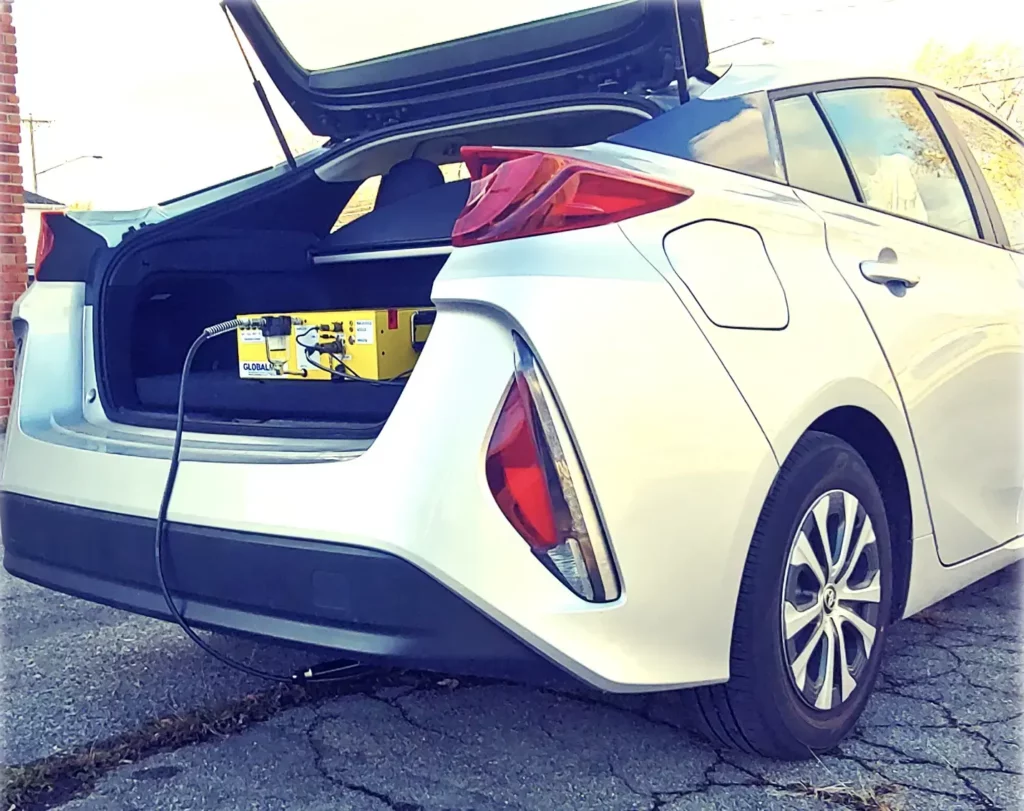
From the oil and gas industry to vehicle manufacturing, drilling, and even transportation, industries like these rely on flow measurement devices that are essential to ensuring accurate measurements of liquid and gas flows for product development and testing.
Some of the industries that use flow meters include, but aren’t limited to:
- The automotive industry
- The pharmaceutical industry
- Food and beverage production
- Power generation
- Mining
- Oil and gas production
- Water management
Flow meters and measurement devices help ensure a safer, more efficient, and productive environment and product. Industries rely on them to stay in compliance with federal and local regulations and to ensure a product isn’t harmful to humans or to the environment.
Which factors are important to consider when choosing a flow measurement device?
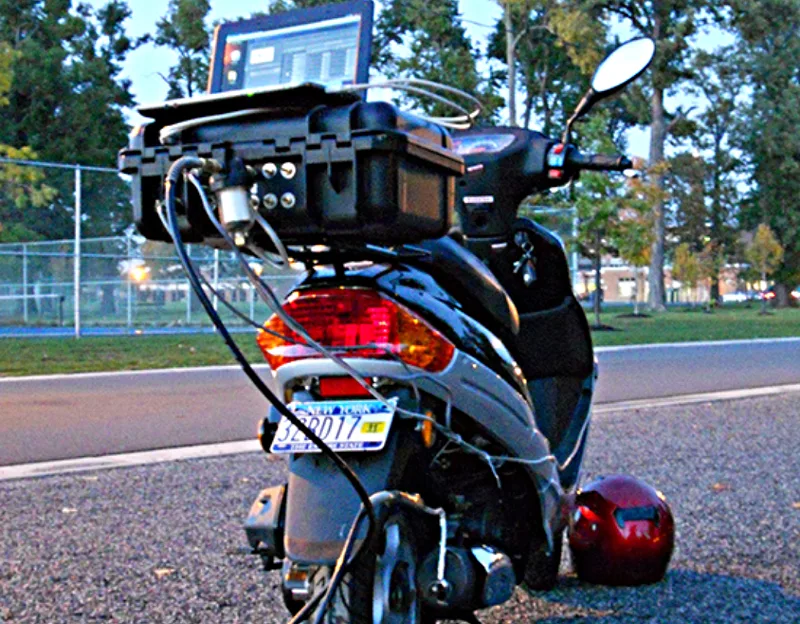
Given the fact that dozens of flow measurement devices exist, finding the right one for the right operation can be tricky. Some of the most important factors to consider when choosing a flow measurement device include:
- The fluid’s properties: Whether a fluid is made of a gas, liquid, or steam, its viscosity, density, temperature, pressure, and composition can affect the operation of the flow meter.
- The specifications on the flow rate device: Depending on whether the fluid has a high or low-flow rate, and whether the system you’re measuring experiences stable flow rates will determine which flow measurement device is best for your needs.
- The environment: Factors like ambient temperature, humidity levels, operating pressure, and presence of particulates, if any, are essential factors in helping decide which flow meter is best. If you’re in doubt about which flow measurement device is best for your needs and the environmental conditions of your operation, consider reaching out to a sustainability consulting expert for tailored feedback for your operation.
Did you know?
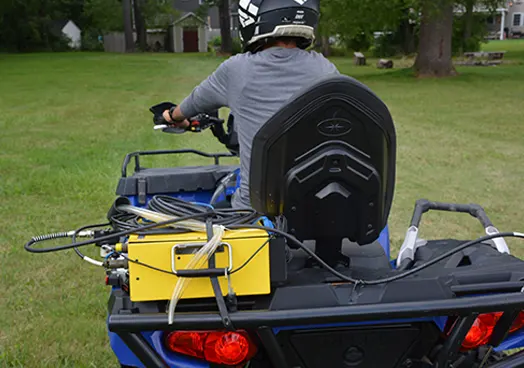
Did you know that flow measurement devices aren’t confined to laboratory settings? They can be used in real-driving emissions testing for on-road vehicles, construction equipment, and much more.
For example, check out how we collect engine data. Our portable emissions measurement systems (PEMS) help calculate the flow of harmful particulates circulating through the engine of a rugged ATV as the ATV plows through grassy upstate New York.
Need a flow measurement device or consultation for your operation?

Then, you’re in good hands. Why?
Because the market for flow meter devices is projected to double over the next decade, according to recent market research. Due to the emergence and popularization of artificial intelligence (AI)-based technology, energy-efficient technology, and wireless flow measurement applications, you can now easily find a flow measurement device that helps you with all your project’s needs.
If you’re looking for a flow measurement device that can measure vehicle emissions and other on- and off-road driving applications, we’ve got you covered.
Our portable emissions measurement systems (PEMS) measure the exhaust, particle distribution and size, ambient temperature, and particulate distribution of your substance by using mass flow meters grounded in 21st-century technology.
In fact, we’ve analyzed over 3,000 hours of reliable data and helped save original equipment manufacturers and companies more than $5,000,000 on real driving emissions (RDE) testing for clients across all different industries and niches.
Using our flow meter-based PEMS technologies, our team of Ph.D. researchers, managers, analysts, engineers, and technicians has run more than 60 different types of diagnostic testing regimes and supported over 100 different vehicles and engines for overall emissions reduction and fuel calibration testing.
For a complimentary consultation of our flow meter-driven, portable emissions measurement systems and accessories, contact us today. We look forward to creating a greener, cleaner tomorrow with you.
Greener, Cleaner Operations Start with Better Technology
It’s All Possible with GlobalMRV